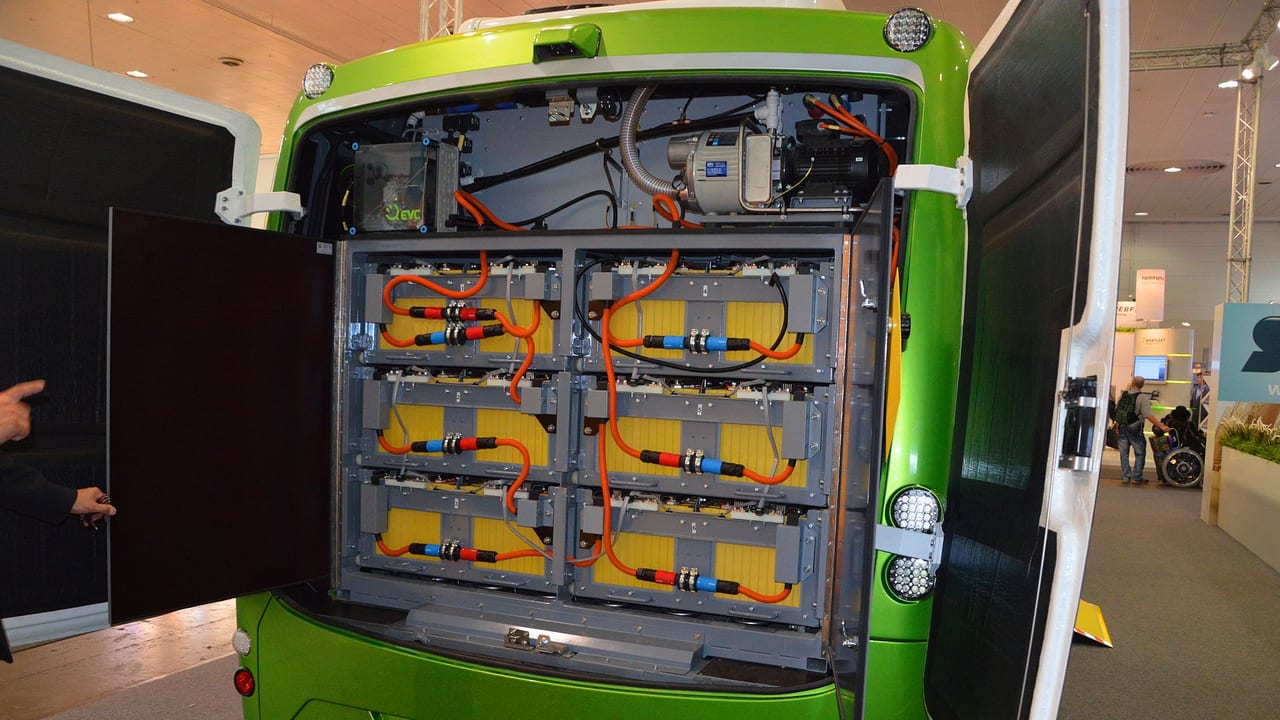
From 18 February 2027, every EV, LMT (light means of transport) or industrial battery above 2 kWh placed on the EU market will need a digital battery passport, accessible via QR code. It will carry product identity, environmental impact, lifecycle performance, material composition and end-of-life handling.
So 2026 is the implementation year: moving from manual spreadsheets to automated traceability. After 18 February 2027, a battery without a passport is — in the phrase doing the rounds — “dead on arrival” on the EU market.
What it changes for you
It’s the full-scale dress rehearsal for the DPP, across an entire sector. Data governance and architecture become central — who owns the data, how it’s verified, how it’s exposed through the QR. That is, word for word, the job of a PIM.